Winter Veggies to Grow in Australia: The Complete Guide to Winter Vegetable Gardening
While winter brings a slower pace to many gardens, Australian gardeners are fortunate to enjoy fresh harvests throughout the year. Even in the cooler southern states, winter can be one of the most productive seasons in the veggie garden, free from the challenges of scorching heat, high water demand and persistent summer pests. Better still, there's a whole banquet of cool-season vegetables to grow and harvest, inspiring everything from comforting winter soups and stews to fresh spring dishes. If you're a beginner gardener just starting your growing journey, the winter veggie garden is the perfect place to start. From leafy greens to delicious brassicas, this beginner-friendly guide explores easy and productive cool season vegetables for Australian backyards and raised beds.
Choosing the best spot for a winter veggie garden
When it comes to growing vegetables, the right spot can make all the difference. Position your veggie patch in a sunny spot that receives at least six hours of direct sunlight a day, particularly during the cooler winter months. Good drainage is equally important, so enrich the soil with plenty of compost and organic matter before planting. If space is tight or drainage is poor, consider growing your vegetables in raised garden beds or large containers instead.
When it's time to plant, pay attention to spacing and allow enough room between plants for good air circulation. Adequate airflow helps reduce humidity around foliage and can lower the risk of fungal diseases developing. Winter veggie gardens generally require less water than summer crops, but it's still important to monitor soil moisture levels, so make sure there’s tap or hose is close by.
Easy vegetables to plant in Australia during the cooler months
Hearty soups and warming casseroles are firmly on the menu, making it the perfect time to grow crops such as cauliflower, cabbage, broccoli, Brussels sprouts and broad beans. Don’t overlook leafy greens like kale, lettuce and silverbeet too, ideal for crisp salads and quick stir-fries. Root crops such as parsnips, turnips and swedes will also grow steadily through winter, often developing a sweeter flavour as temperatures drop.
Here’s just a taste of what you can grow and enjoy during the cooler months.
Leafy greens
- Lettuce
- Spinach
- Silverbeet
- Kale
- Rocket
- Asian greens
- Mustard greens
- Chervil
Leafy greens are fast growing and loose-leaf types can be harvested leaf by leaf as you need them. Some leafy greens like Kale even taste sweeter with a touch of frost. Plant seeds or seedlings in succession (small amounts every few weeks) for a steady harvest of greens that will keep you going for months on end.
Root vegetables
- Carrots (grow slower in colder soil)
- Beetroot (grow slower in coler soil)
- Turnips
- Swedes (rutabaga)
- Radishes
- Parsnips
- Garlic (planted in autumn, harvested in early to mid-summer)
- Onions (winter-planted varieties grow steadily into spring and summer)
Across much of Australia, winters are relatively mild, allowing root crops to develop slowly. This steady growth often results in improved flavour and texture, particularly in vegetables like carrots and parsnips, which can become sweeter after exposure to cooler temperatures. Root veggies generally prefer loose, well-drained soil so roots can develop properly. In heavier soils, try growing them in raised beds.
Brassicas
- Broccoli
- Cauliflower
- Cabbage
- Brussels sprouts
- Kale
- Bok choy (pak choi)
- Chinese cabbage (wombok)
- Kohlrabi
Brassicas are some of the most reliable and productive vegetables to grow through the cooler months. They thrive in cool conditions and often develop their best flavour during winter.
Herbs
- Rosemary
- Thyme
- Sage
- Oregano
These herbs will generally stay green and continue growing through winter. They may slow down a little in cooler weather, but don’t typically die back unless there’s a real cold snap or the plants become waterlogged. Soft herbs like parsley, chives and coriander are best planted in autumn for steady growth through the cooler months.
Raised beds vs in-ground veggie gardens
There’s nothing quite like growing your own food and stepping out into the garden to harvest dinner, but not everyone has space in the ground for a large veggie patch. The beauty of a raised garden bed is that it can be built almost anywhere - on a patio, veranda, or even over pavers and concrete -allowing you to grow fresh herbs and vegetables no matter where you live.
Raised beds are an ideal solution when ground space is limited. They also reduce strain on your back, with less bending and reaching required, and they’re the perfect height for little green thumbs to get involved. Best of all, they can produce a generous harvest, bringing a banquet of fresh home-grown produce right to your doorstep. However, raised beds do come with a few drawbacks - depending on their size, they can dry out more quickly and require more frequent watering, and they also involve an upfront cost for materials and soil.
On the other hand, in-ground gardens are generally cheaper to establish and tend to hold moisture for longer, but they rely heavily on existing soil quality - making good soil preparation essential, especially where drainage is poor. They can also be a more economical option for larger gardens, where extensive planting areas make raised beds less practical.
Soil preparation for a winter veggie patch in Australia
Healthy soil is the key to winter gardening success. It sets the foundation for vigorous growth, better yields, and more resilient plants throughout the cooler months. Cool-season vegetables grow best in soil that is loose, fertile, well-drained and full of organic matter - giving roots and plants the best possible start.
1. Remove weeds and debris
Start by clearing the area completely. Remove any weeds, old plant material, stones and debris. Weeds compete for nutrients and moisture, so a clean slate helps your winter crops establish without competition.
2. Loosen compacted soil
Use a garden fork or spade to gently break up compacted soil to improve aeration and root growth. Avoid over-digging or turning soil excessively - the aim is to open the soil up, not destroy the structure.
3. Add compost or organic matter
Work in plenty of compost and organic matter. This improves soil fertility, boosts microbial activity, and helps retain moisture while still allowing good drainage - all essential for winter vegetables.
4. Improve drainage if needed
If your soil is heavy or drainage is poor, improve the structure by adding plenty of compost and organic matter to the soil. In very poorly drained areas, consider growing in raised beds.
5. Water soil after planting
Water thoroughly after planting to settle the soil around the roots and help plants establish.
Watering Winter Veggies Correctly
Winter gardens generally need less frequent watering than summer plantings, but consistent soil moisture is still key to healthy growth. Water early in the morning so plants can take up moisture before night-time temperatures drop, helping to reduce the risk of fungal issues. It’s also best to water deeply but less often, encouraging plants to develop strong, deep root systems that are more resilient to dry conditions.
During wet spells, take care not to overwater - winter rainfall is often enough on its own. Always check the soil before watering by feeling a few centimetres below the surface; if it’s still damp, wait a little longer. Seedlings benefit from a gentle approach, using a fine rose or soft spray to avoid disturbing delicate roots.
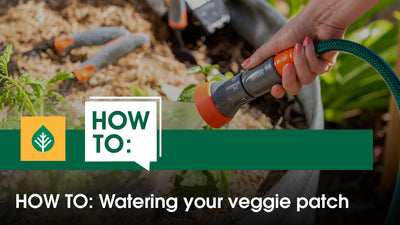
For more control and efficiency, a hand wand with multiple spray patterns and a trigger flow control make it easy to deliver water right where it’s needed, straight to the root zone with minimal waste. Keep in mind that raised garden beds can dry out more quickly than in-ground gardens, so they may need closer monitoring even through winter.
Grow a thriving winter veggie garden with Pope
Whether you're planting your very first veggie patch or expanding an established garden, having the right watering tools can make all the difference. From raised beds and containers to in-ground vegetable gardens, Pope offers a range of hoses, hand wands, sprinklers and water-efficient irrigation solutions to help keep your winter crops healthy and thriving.
Explore the full range of gardening and watering solutions from Pope and give your winter veggies the consistent care they need for a productive harvest all season long.

How to water your veggie patch

6 ideas to get the kids in the garden