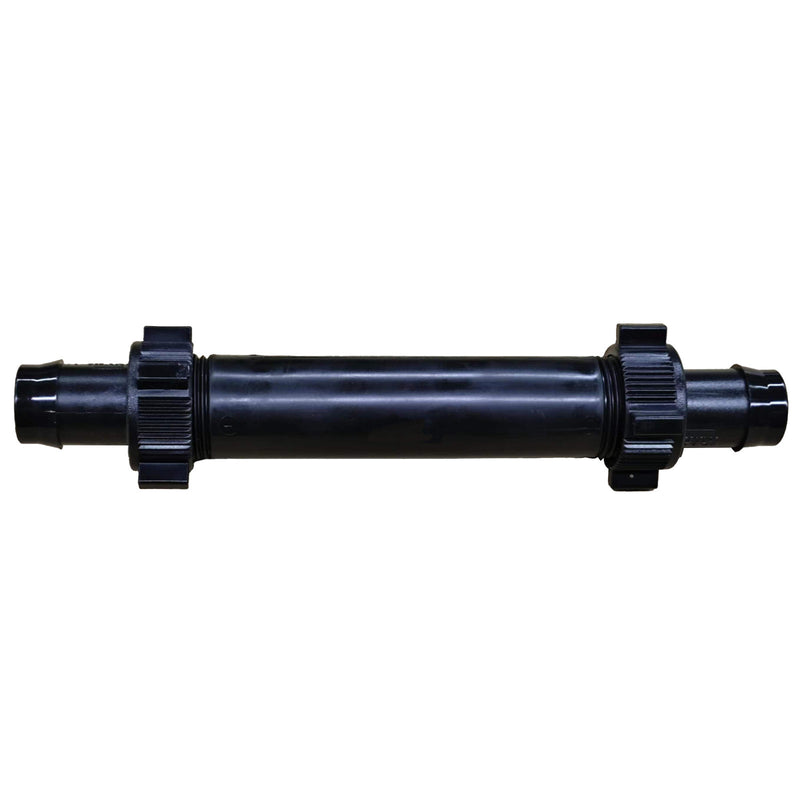
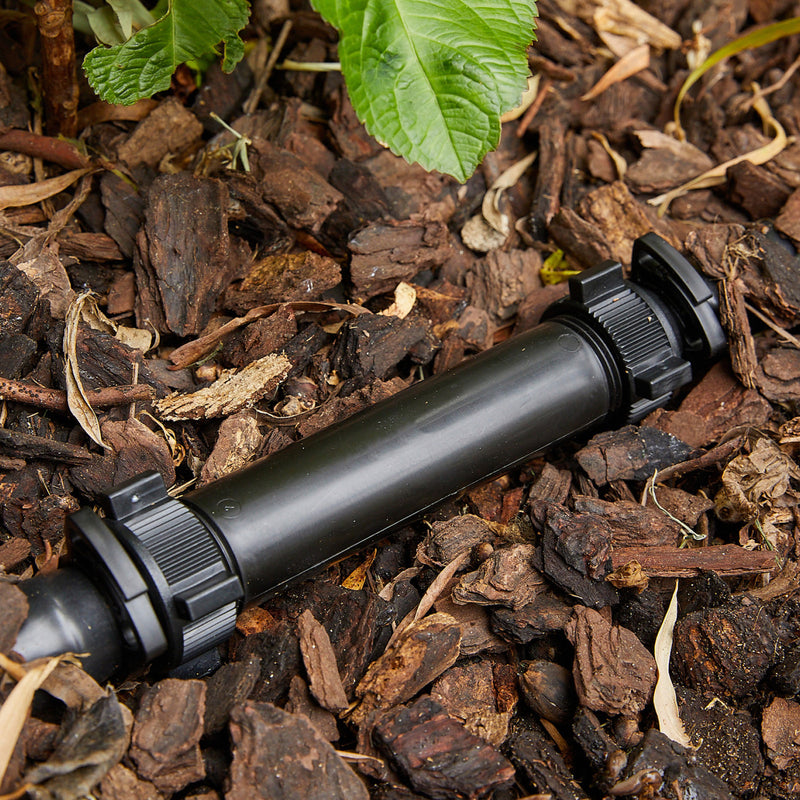

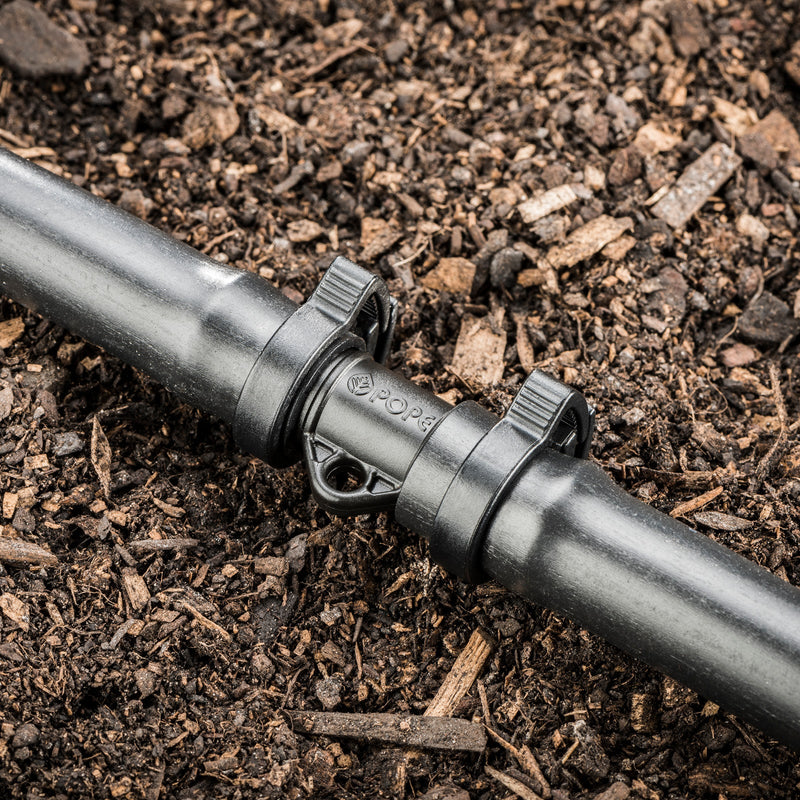
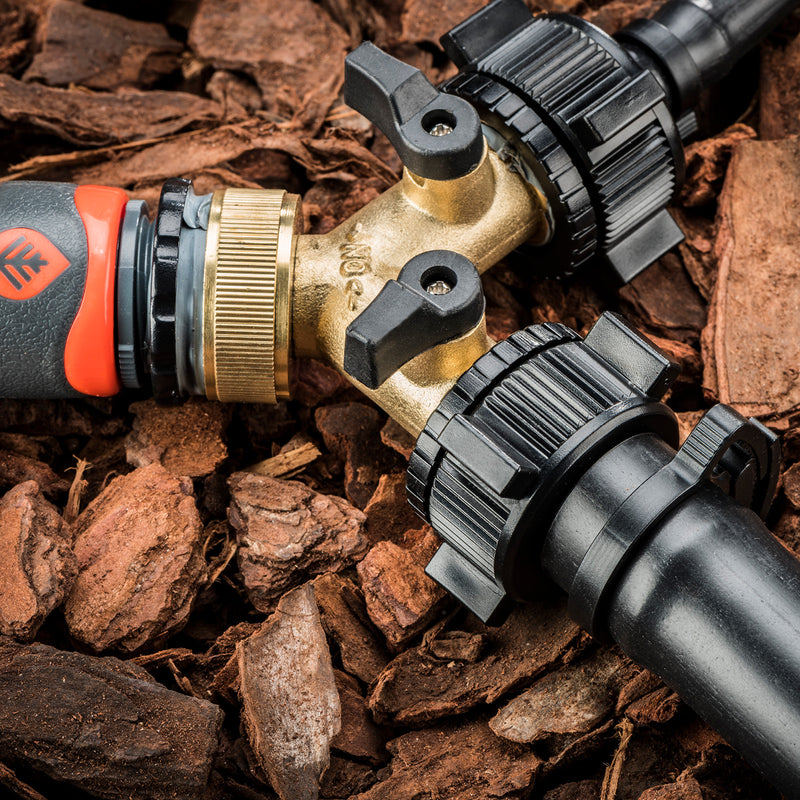
Pope’s poly pipe fittings are designed to help you build and maintain reliable watering connections across your garden. From secure compression fittings to essential valves, this comprehensive range supports efficient water flow for home irrigation setups. Each product in the range is manufactured to suit Australian conditions and offers dependable performance, whether you’re upgrading an existing line or completing a new job with confidence.
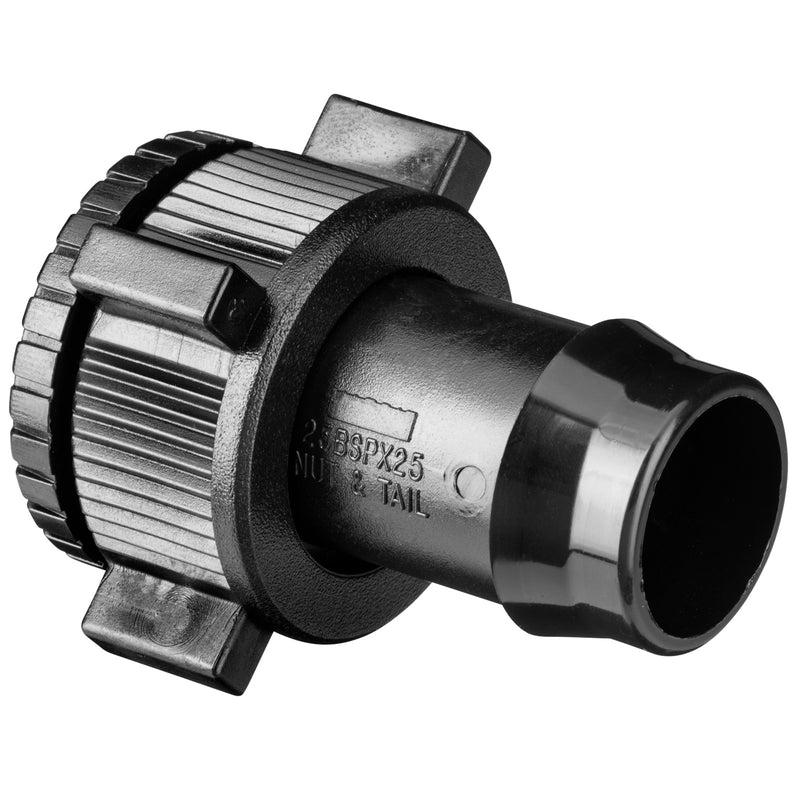


Confused or not sure what you need? Watch this video for an explanation about the different irrigation fittings.
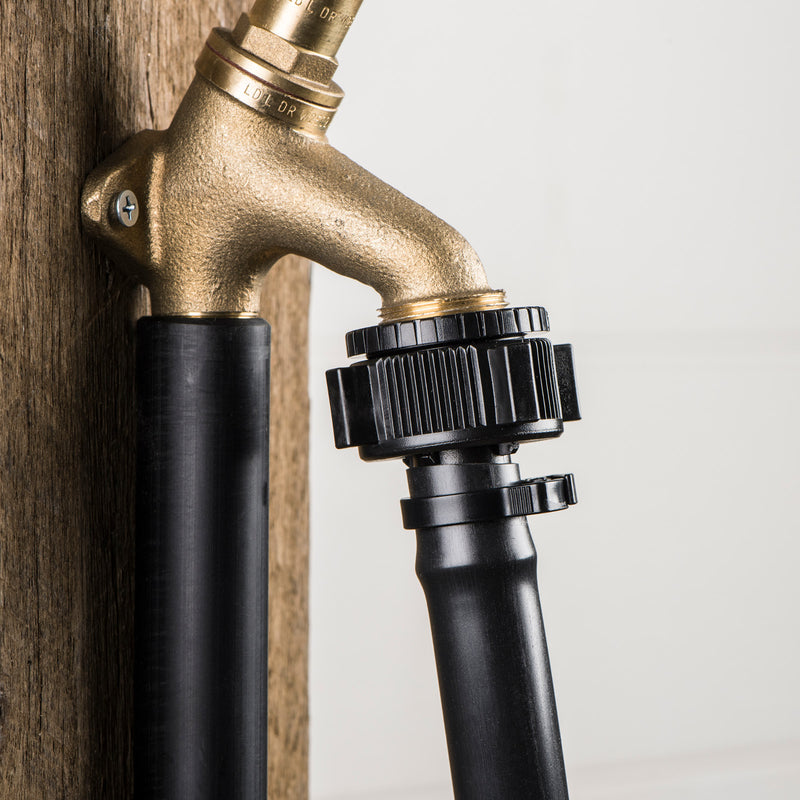
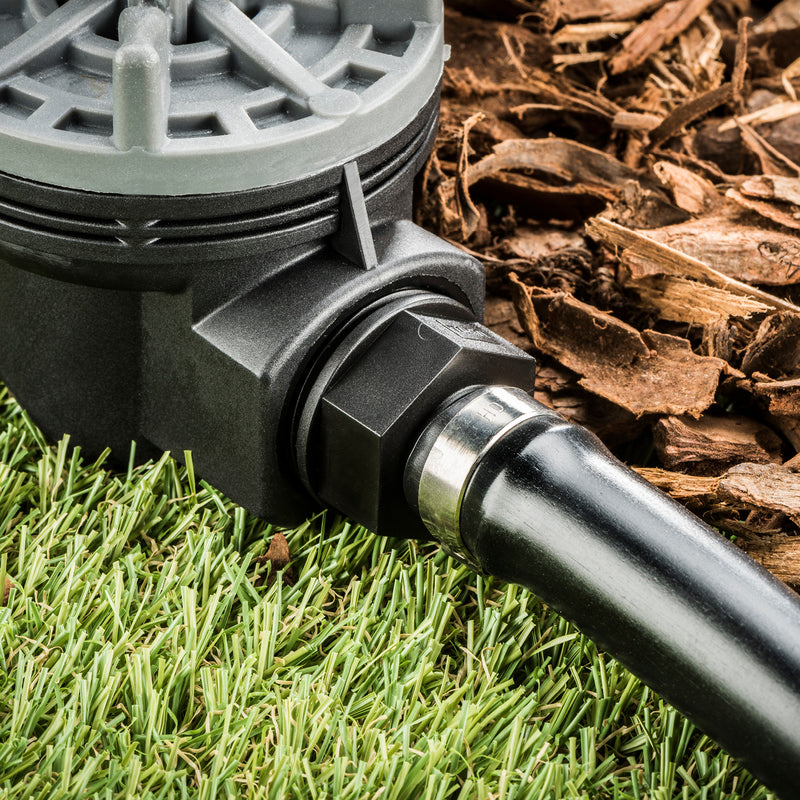
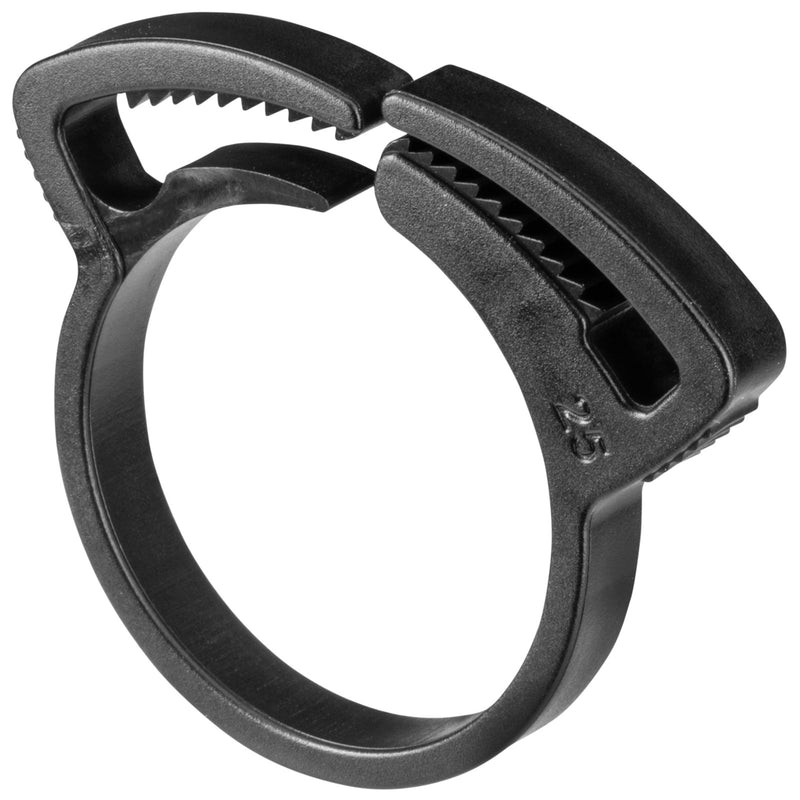
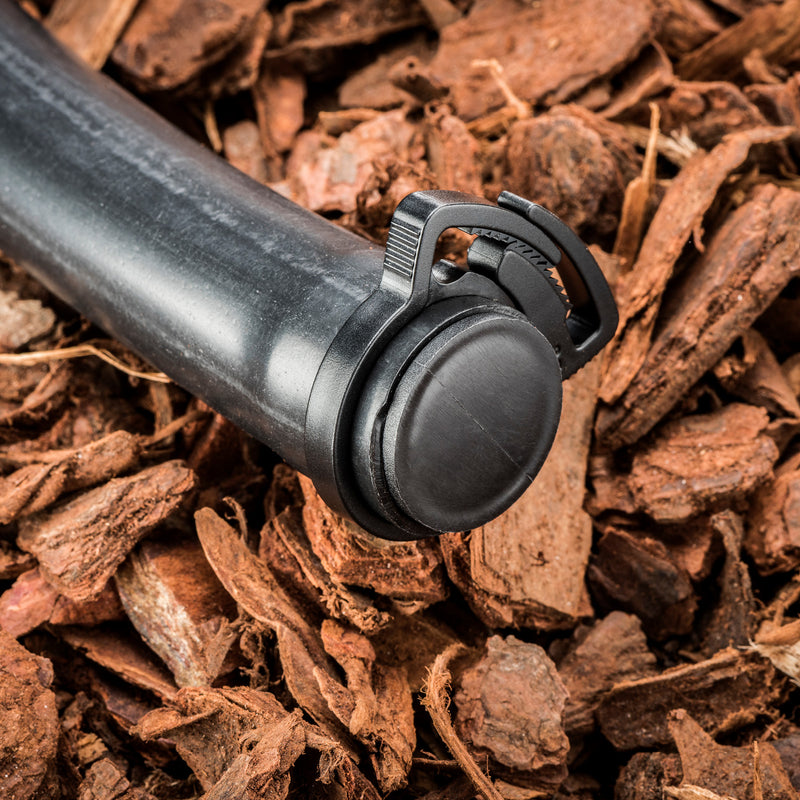
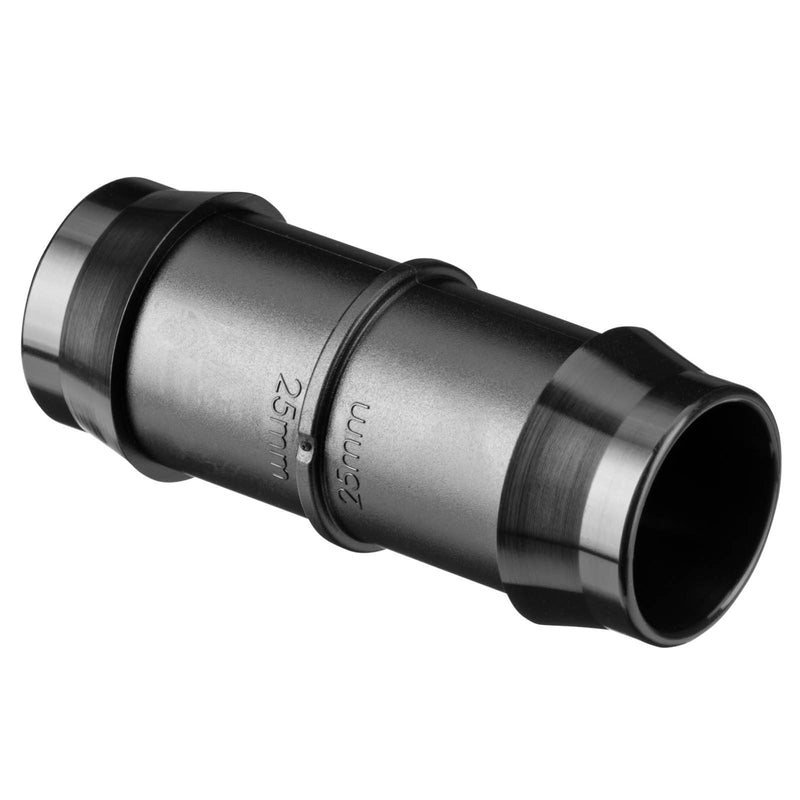
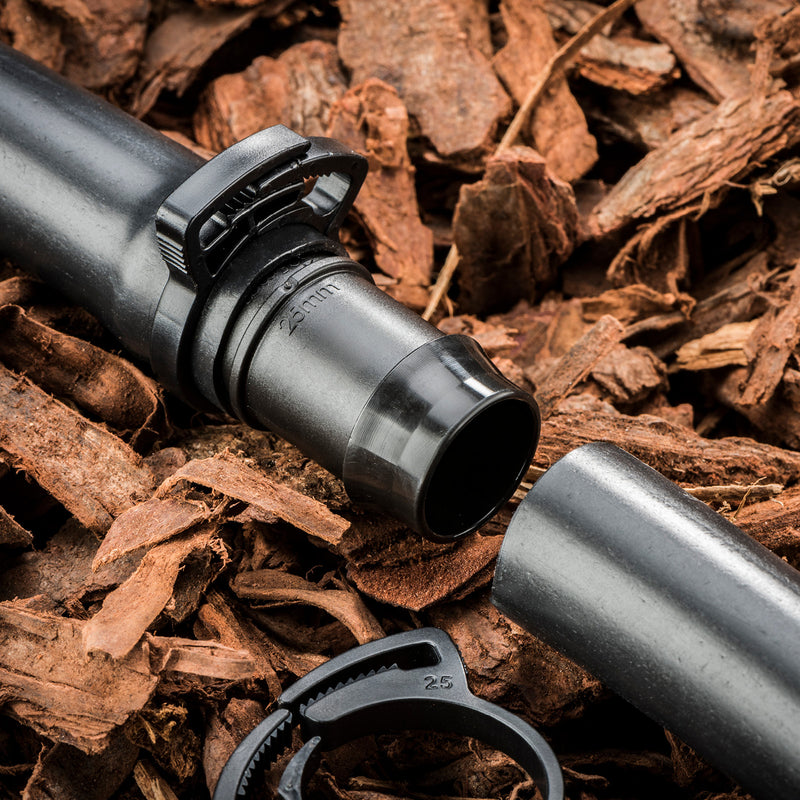
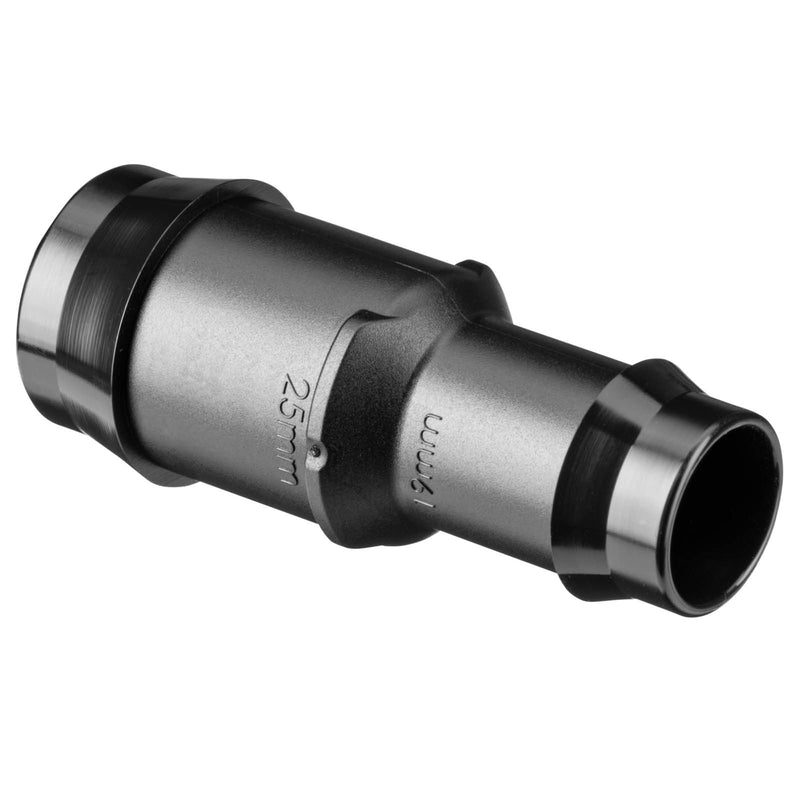
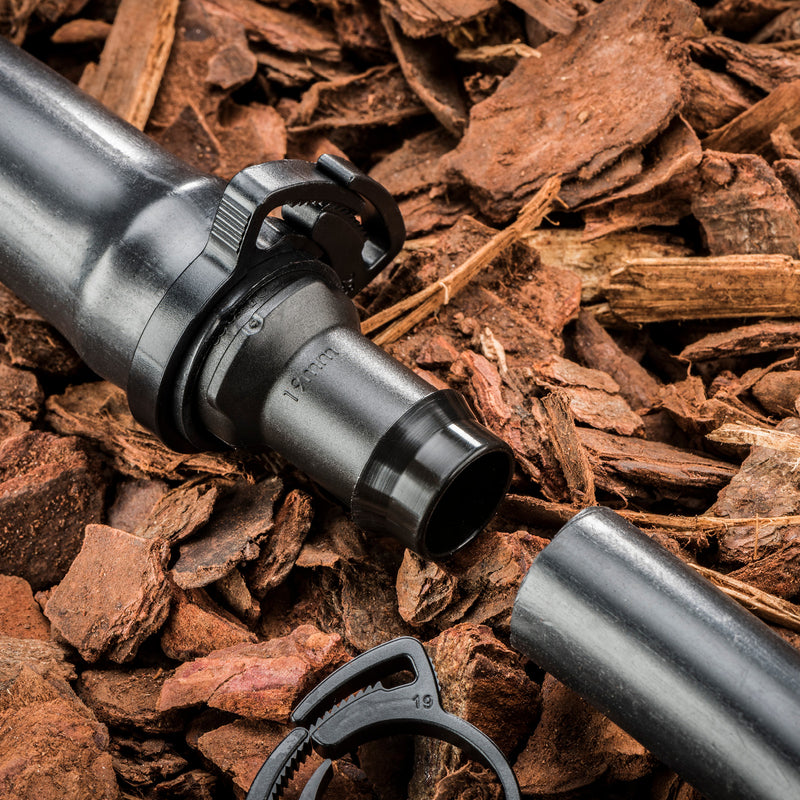
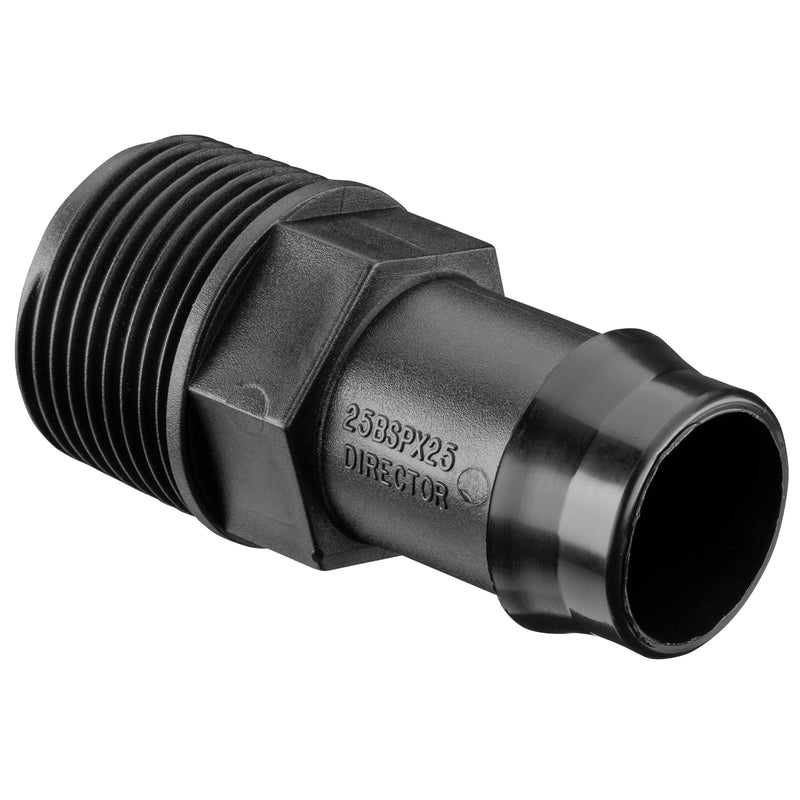
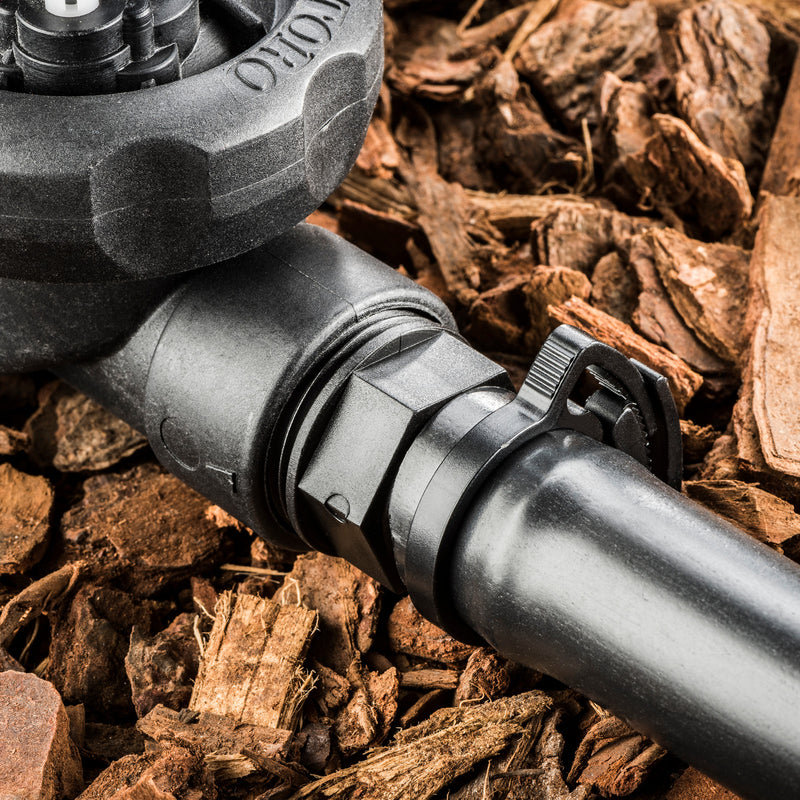
Start by matching the fitting size to your poly pipe outside diameter (for example, 19mm, 25mm, 32mm). If you’re using compression fittings, make sure the nut and insert (if required) suit that same size so the connection seals properly without leaks.
Many poly pipe fittings are designed to suit rural poly pipe, including blue line pipe, but it’s important to check each product’s compatibility notes (and pressure rating) before you buy. If you’re unsure, choose from the range that specifically mentions rural poly pipe or blue line applications.
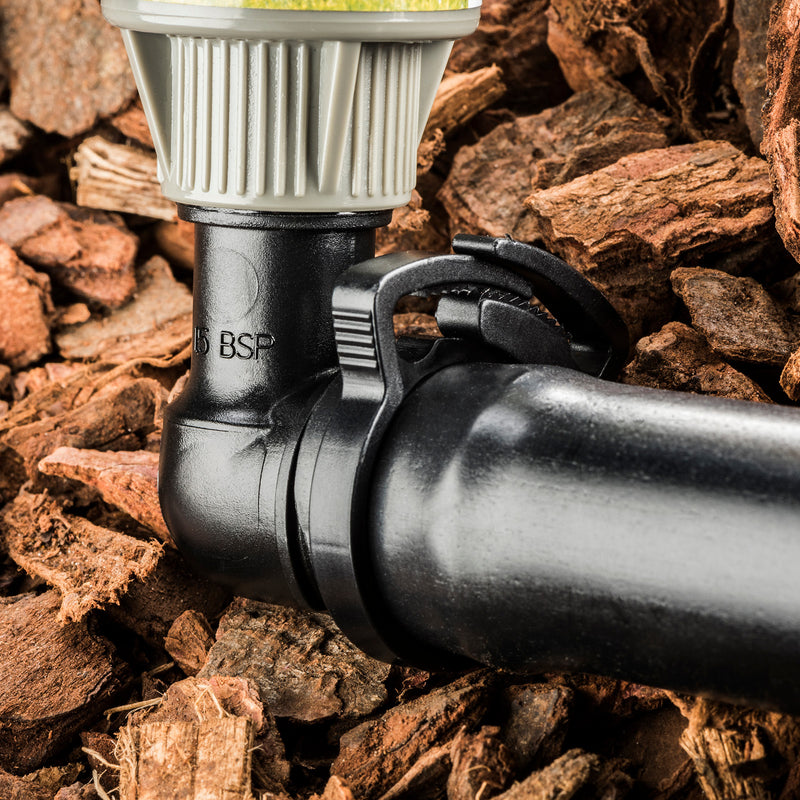
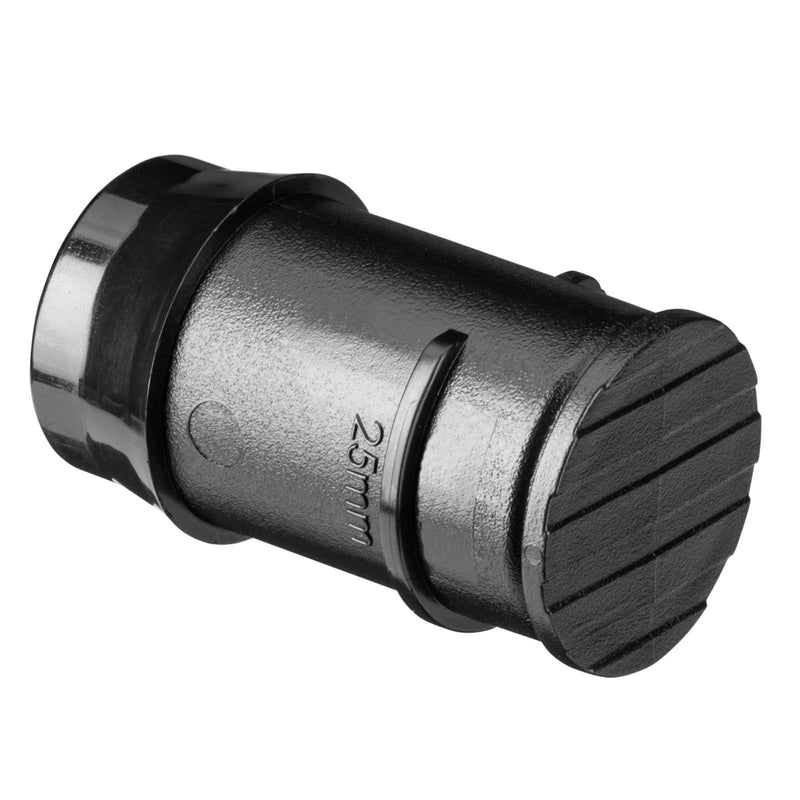
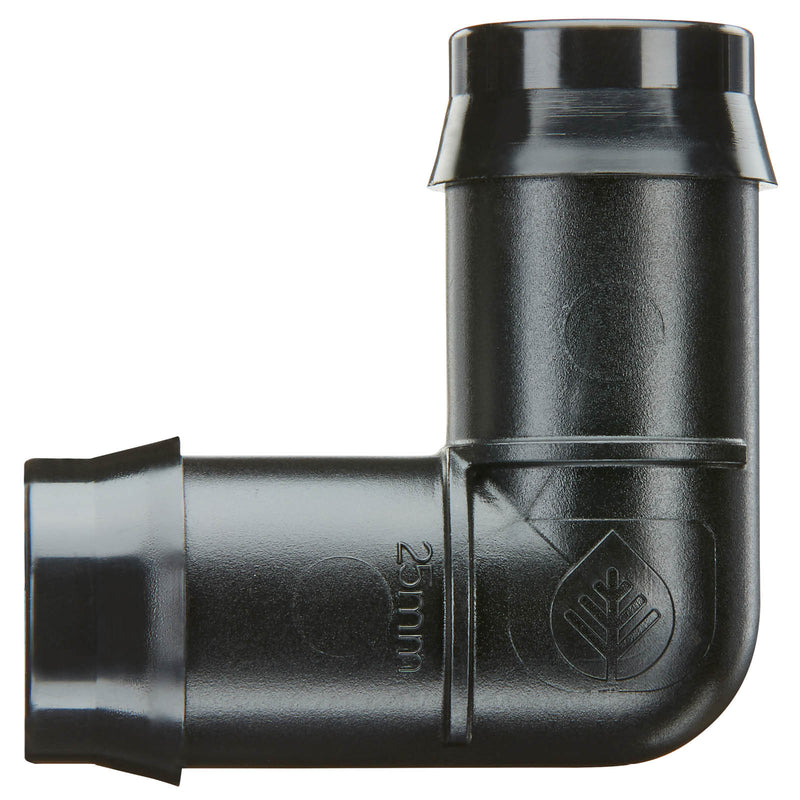
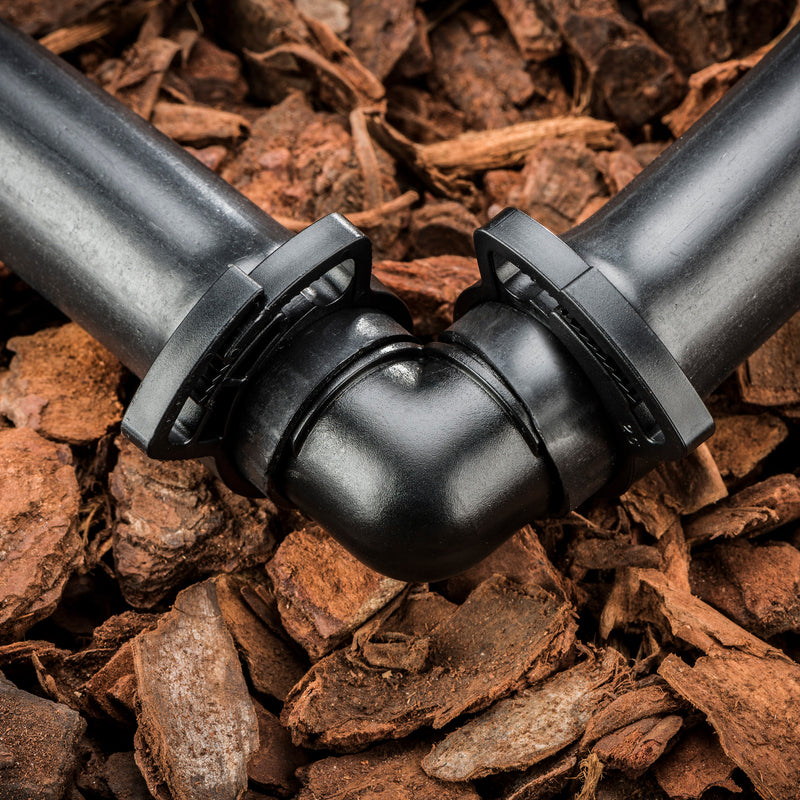
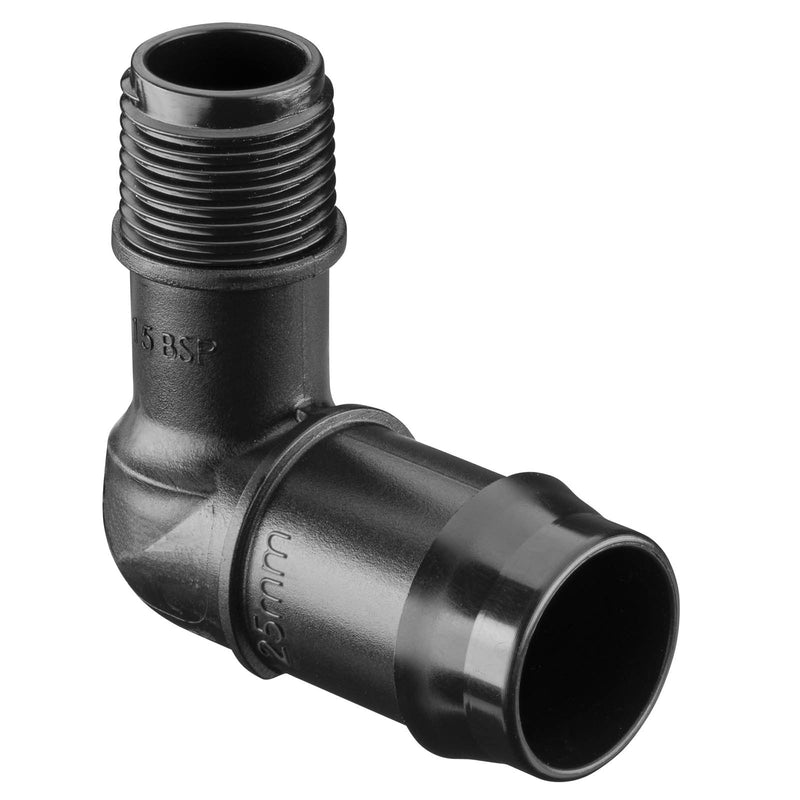
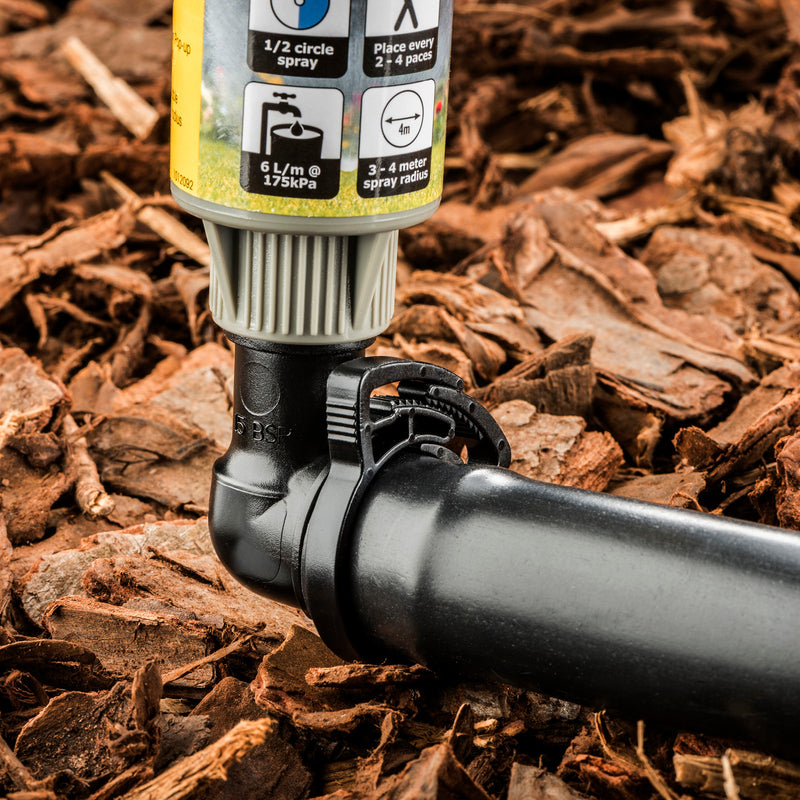
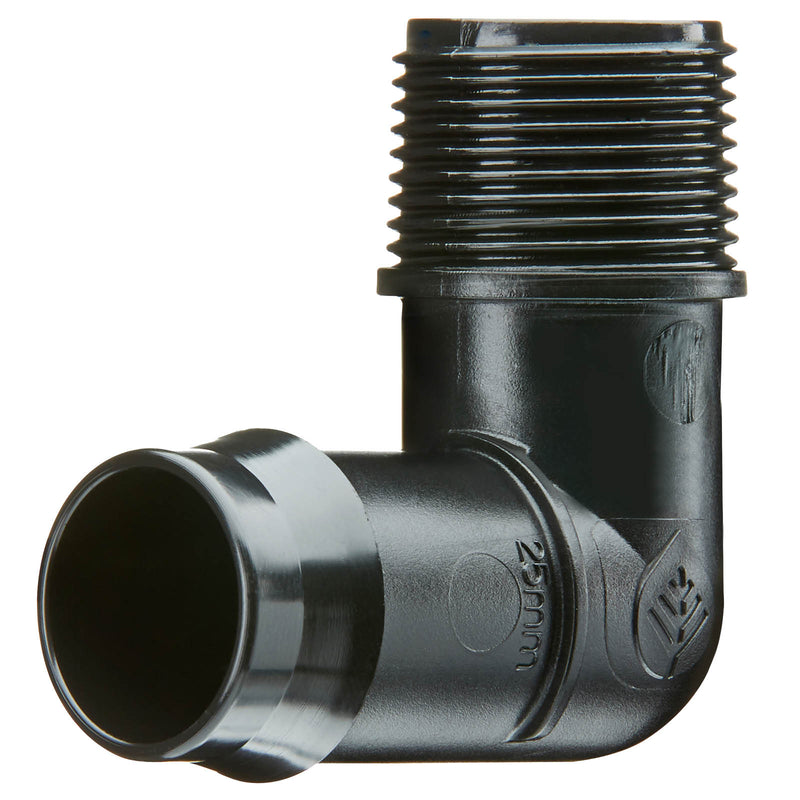
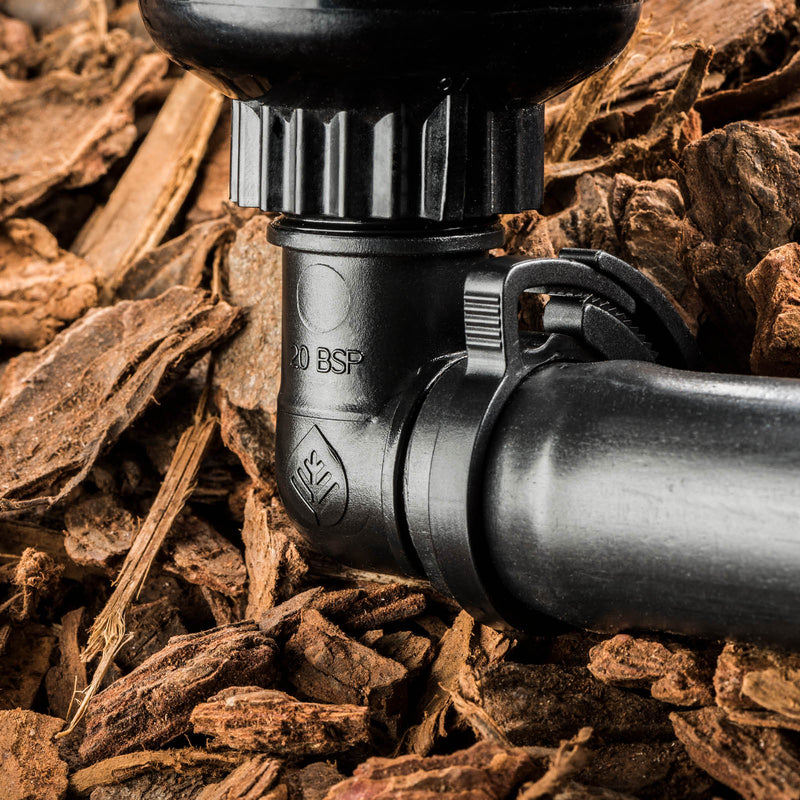
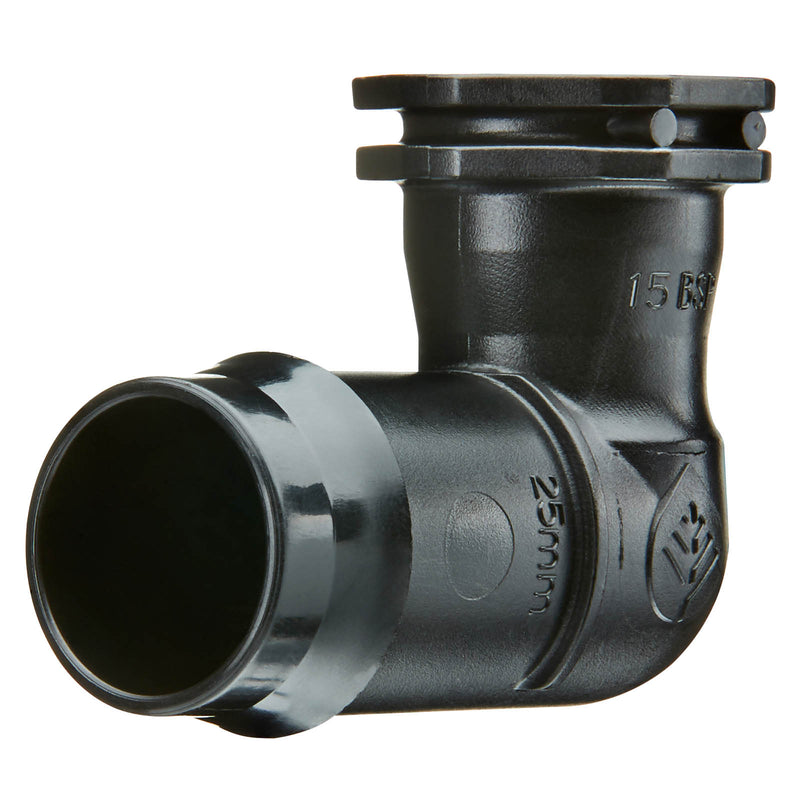
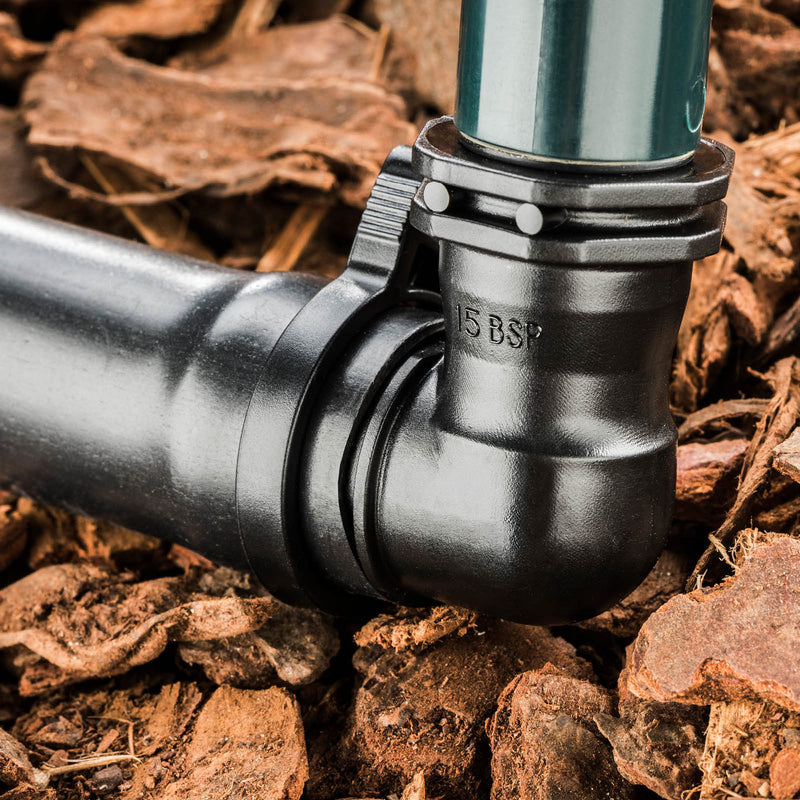
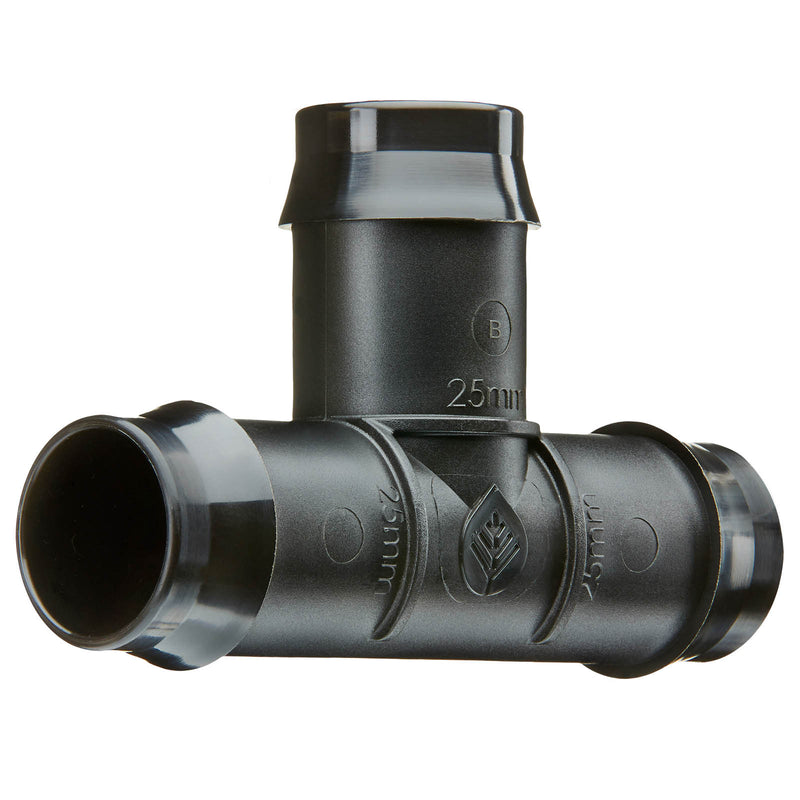
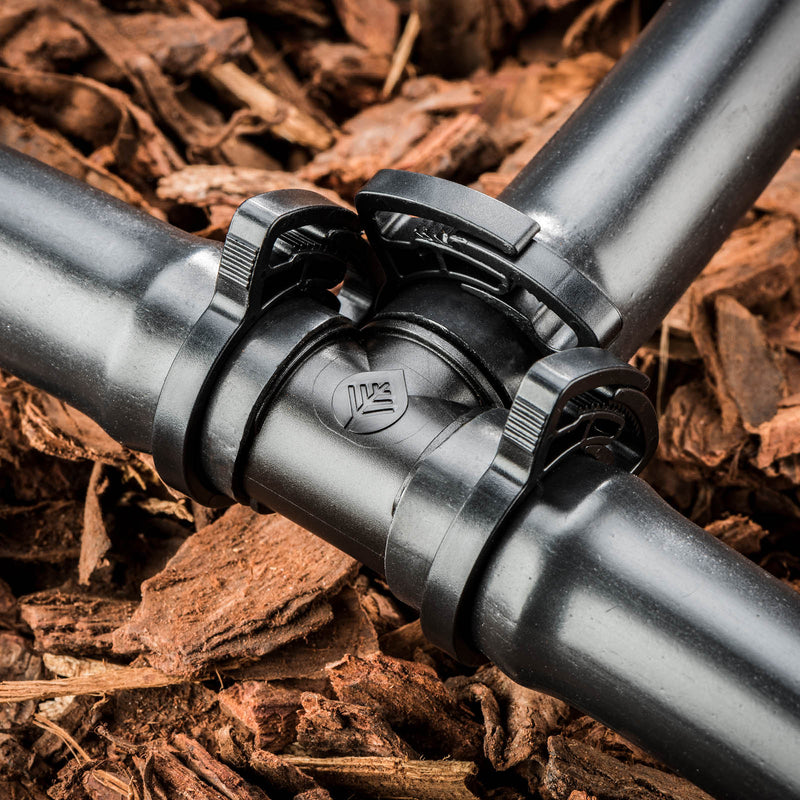
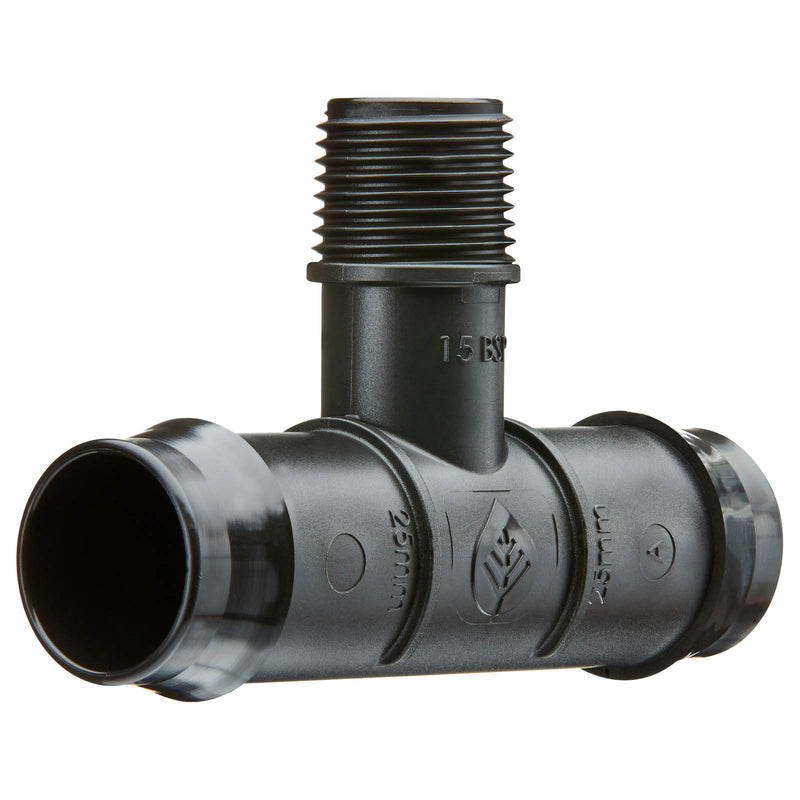
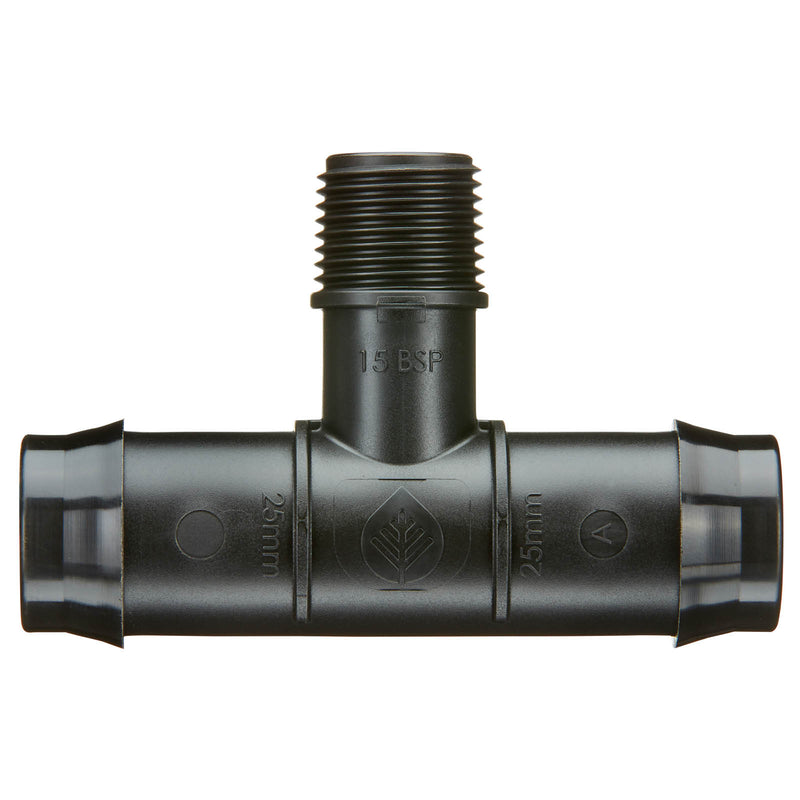
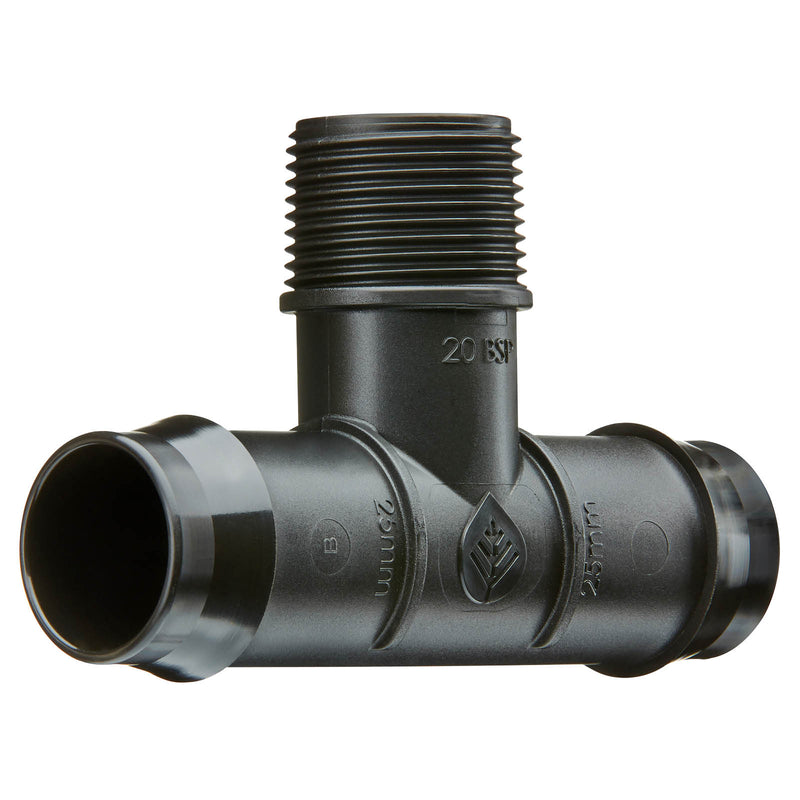
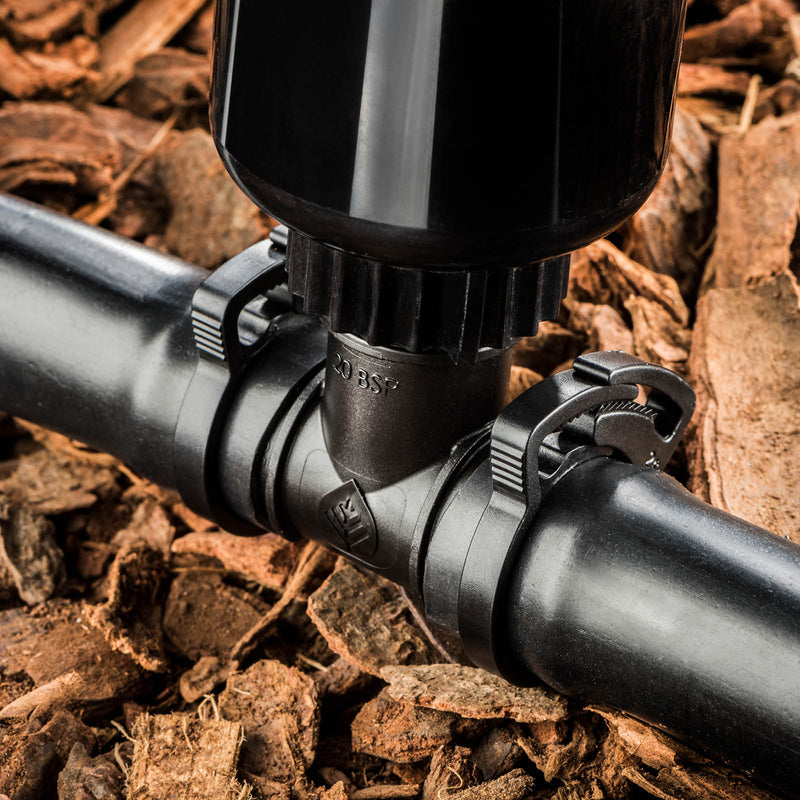
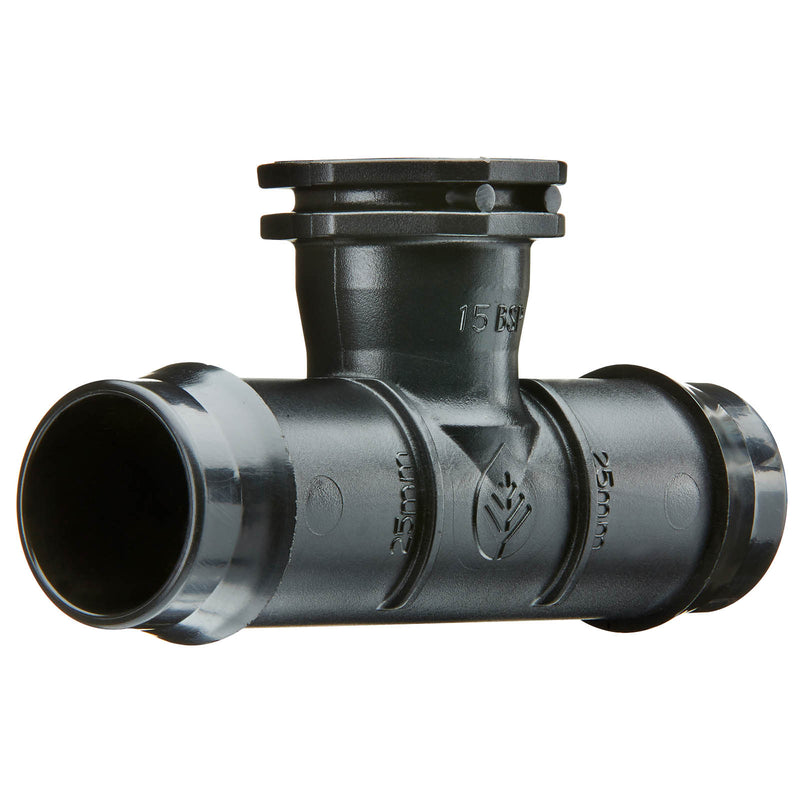
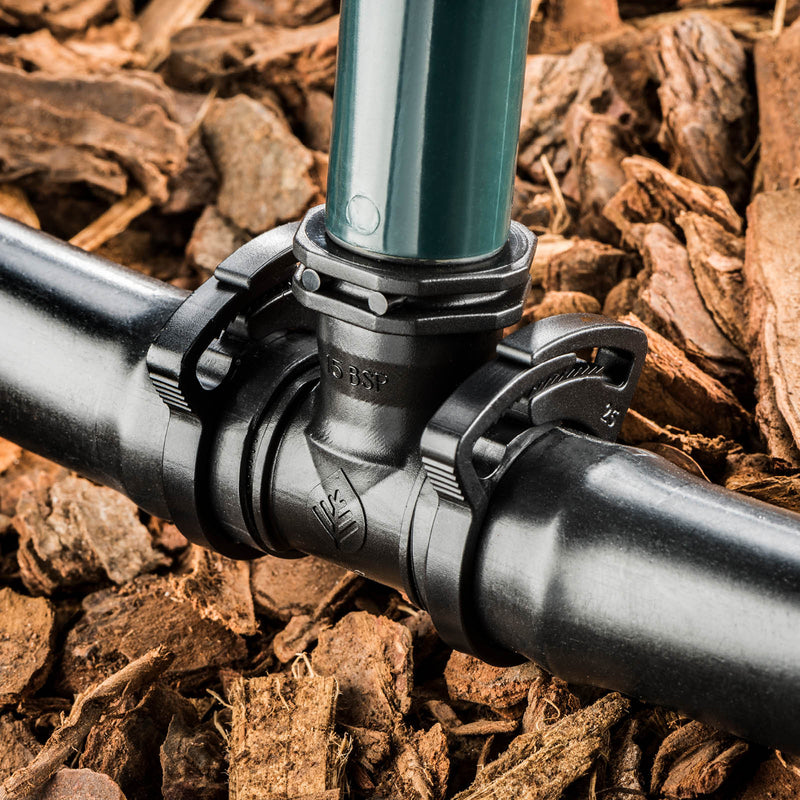
Use a tee to branch off a main line, an elbow to change direction cleanly (instead of kinking the pipe), and a cap to close the end of a line for testing or future expansion. These fittings help keep flow consistent and make maintenance easier.
Usually no, especially with compression fittings. In cooler weather you can warm the pipe end slightly (warm water, not direct heat) to make it easier to push onto barbed tails, but avoid overheating as it can deform the pipe and reduce sealing performance.
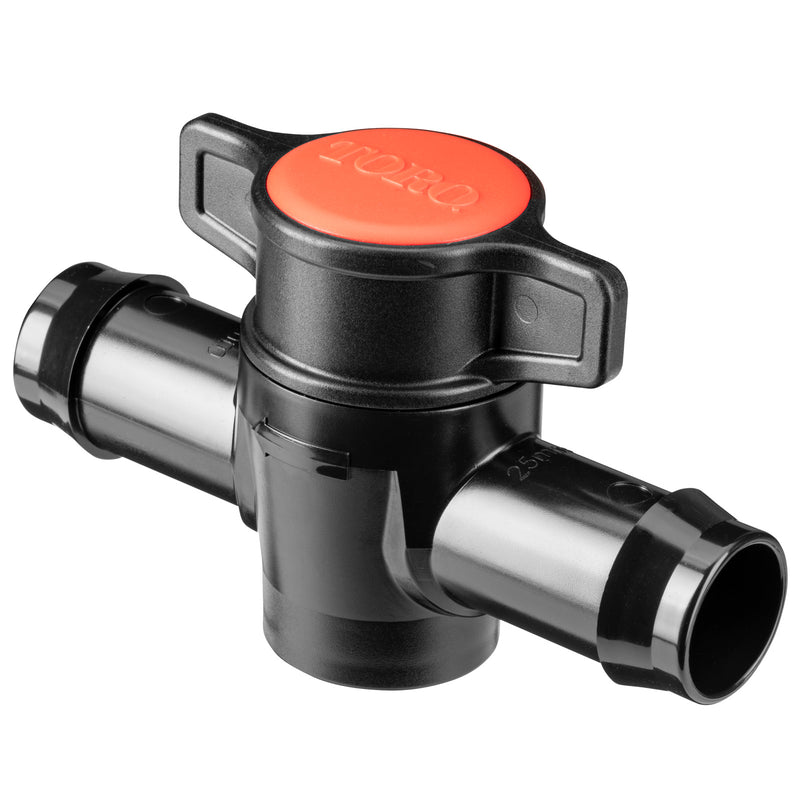
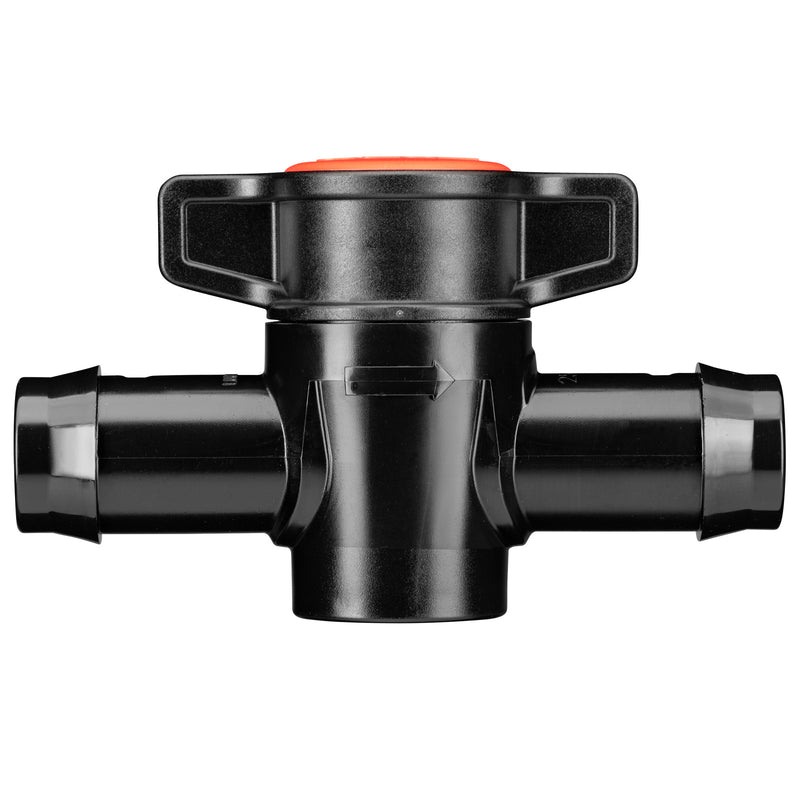
Valves are best used to isolate zones, control sections for repairs, and manage water flow. Adding a valve near the garden tap and/or at key junctions makes it easier to shut off water without turning off the whole irrigation system.