
What Is a Drip Irrigation System?
Everything You Need to Know About Drip Irrigation
A drip irrigation system is a water-efficient irrigation method that slowly delivers water directly to the root zone of plants. Instead of spraying water over a wide area, drip irrigation uses drip tubing, drippers, emitters or drip irrigation tape to apply irrigation water close to the soil surface or directly near plant roots.
This helps reduce water wastage, support healthy plant growth, limit soil erosion and improve watering efficiency in gardens, vegetable patches, hedges, orchards and landscaped areas.
How does a drip irrigation system work?
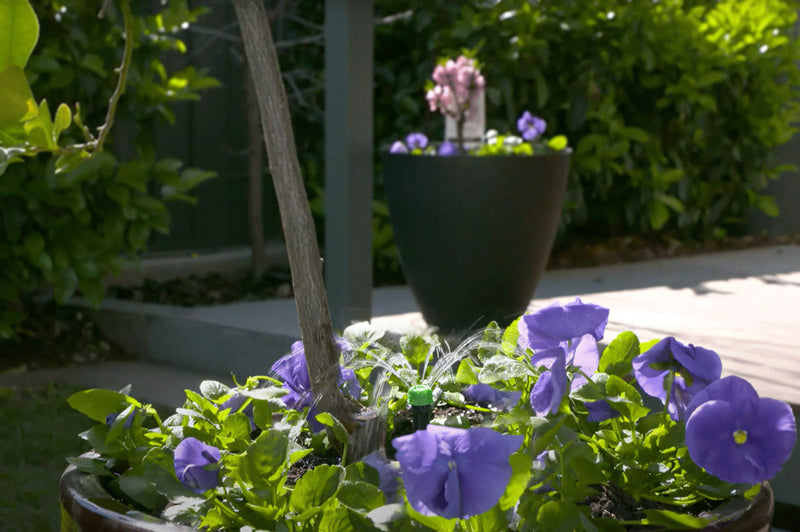
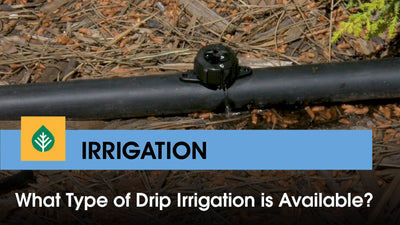
A drip irrigation system works by moving water through poly pipe or drip tubing and releasing it slowly through small outlets called emitters. These emitters are placed near the root zone of each plant so water reaches the area where it is needed most.
In a typical garden drip system, water flows from a tap or irrigation controller through tubing, fittings and drippers. The system may use inline emitters built into the tubing or online emitters that are added separately. Because the water is applied slowly, it can soak into the soil rather than running across the surface.
Why use drip irrigation?
Using drip irrigation can make garden watering easier, more efficient and more targeted. It is especially useful when you want to water garden beds, vegetable patches, fruit trees or hedges without wasting water on paths, fences or unused areas.
The main benefits of drip irrigation include:
- It delivers water directly to the root zone.
- It reduces evaporation and overspray.
- It helps prevent soil erosion caused by heavy water flow.
- It can reduce weed growth by only watering planted areas.
- It is suitable for irregular garden beds and tight spaces.
- It can be installed under mulch to protect the tubing from sunlight.
- It can be automated with an irrigation timer or controller.
- It is often more efficient than sprinkler irrigation in windy conditions.
Drip irrigation systems vs sprinkler irrigation
Drip irrigation systems and sprinkler irrigation systems both water plants, but they work in different ways.
Drip irrigation applies water slowly and directly to the soil near the plant roots. Sprinkler irrigation sprays water into the air and across a larger area, similar to rainfall.
Drip irrigation is usually better for garden beds, veggie patches, hedges, fruit trees and areas where overspray is a concern. Sprinkler irrigation is often better suited to lawns and larger open areas where even surface coverage is needed.
If your goal is to reduce water waste and target individual plants, a drip system is usually the more efficient irrigation system. If your goal is to water grass or broad open areas, sprinkler irrigation may be more suitable.
Where can you use a drip irrigation system?
A drip irrigation system can be used in many garden and landscape areas, including:
- Garden beds
- Vegetable patches
- Raised garden beds
- Hedges
- Shrubs
- Fruit trees
- Flower beds
- Median strip garden beds
- Narrow landscape areas
- High-density planting areas
- Row crops and edible gardens
Drip systems are not usually the first choice for standard lawn watering. Lawns are often better suited to sprinkler irrigation unless a specific subsurface drip irrigation system has been designed for turf.
Drip irrigation for vegetable gardens and row crops
Drip irrigation is a practical option for vegetable gardens because it delivers water close to seedlings and plant roots. Inline drip tubing or drip irrigation tape can be laid along planting rows so each plant receives consistent moisture.
For row crops and vegetable beds, drip irrigation can help reduce water loss, limit soil erosion and keep leaves drier than overhead watering. This can be especially useful for crops that prefer steady soil moisture but do not benefit from wet foliage.
When planting seedlings, position them near the drip emitters so they can access water while their roots are still developing.
Drip irrigation for fruit trees and larger plants
Fruit trees and larger plants often need water around the outer root zone rather than only at the trunk. For these plants, poly pipe and drippers can be placed around the perimeter of the root zone to encourage even watering.
As the tree grows, you may need to move the drip line outward or add extra drippers. This helps match the irrigation system to the expanding root area of the plant.
Can you install inline and online drip irrigation on the same system?
Yes, inline and online drip irrigation can be installed on the same irrigation system, provided the system has enough water pressure and flow.
For example, you may use inline drip tubing through a garden bed and then add 4mm tube with an online dripper to reach a plant that sits outside the main line. This gives you more flexibility when watering mixed garden areas.
However, you should avoid overloading one line with too many drippers or running the drip tubing over excessive distances. This can cause uneven watering, where plants at the start of the line receive more water than plants at the end.
How to install a drip irrigation system
To install a drip irrigation system, start by planning where your plants are and how much water they need. Then choose the right tubing, drippers and fittings for the area.
A basic installation process includes:
- Map out your garden beds and plant locations.
- Choose inline drip tubing, online drippers or a combination of both.
- Connect the system to a tap, hose, irrigation controller or main poly pipe.
- Lay the drip tubing along the soil surface near the root zone.
- Add drippers where individual plants need targeted watering.
- Secure the tubing with hold-down stakes.
- Test the system and check that each emitter is working.
- Cover the tubing with mulch where suitable.
- Adjust your watering schedule based on soil moisture and plant needs.
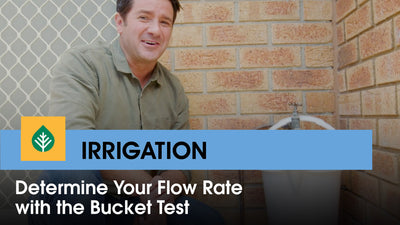
Before installing a large system, check your flow rate using a bucket test. This helps determine how many drippers, tricklers or lengths of drip tubing your system can support.How long should you run a drip irrigation system?
How long you should run a drip irrigation system depends on your soil type, plant type, weather, emitter flow rate and garden layout.
As a general rule, drip irrigation should run long enough for water to soak into the root zone without causing pooling or runoff. Sandy soil may need shorter, more frequent watering. Clay soil may need slower, longer watering so the water can absorb properly.
The best way to check is to run the system, then dig a small test hole near the root zone to see how deeply the water has moved through the soil.
How to avoid overwatering with drip irrigation
To avoid overwatering, check the soil before running your irrigation system. If the soil is already moist below the surface, your plants may not need more water.
You can also adjust your watering schedule after rain, during cooler weather or when plants are dormant. A drip system is efficient, but it can still waste water if it runs too often or for too long.
Try to water for long-term plant health rather than instant results. Encouraging roots to grow deeper can make plants stronger and more resilient.
Water Smarter with Drip Irrigation
A drip irrigation system is one of the most efficient ways to water garden beds, vegetable patches, hedges and individual plants. By delivering water directly to the root zone, drip irrigation helps reduce evaporation, minimise water waste and encourage healthier plant growth compared to many traditional watering methods. Whether you're growing vegetables, maintaining established garden beds or watering fruit trees, the right combination of drip tubing, emitters and fittings can make watering more consistent and easier to manage.
The key to success is choosing a system that suits your garden layout, plant types and water requirements. Start with a simple setup, monitor soil moisture regularly and adjust your watering schedule as your garden grows and seasons change. With a well-designed drip irrigation system, you can spend less time watering and more time enjoying a healthier, thriving garden.
Explore Pope's range of drip irrigation products, tubing, drippers and watering accessories to build a system tailored to your garden and help make every drop count.

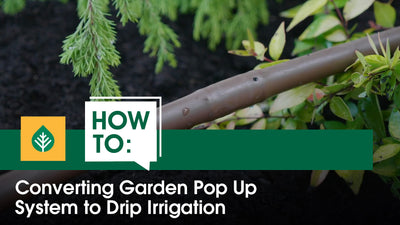
Converting your pop ups to drip irrigation
Types of drip irrigation